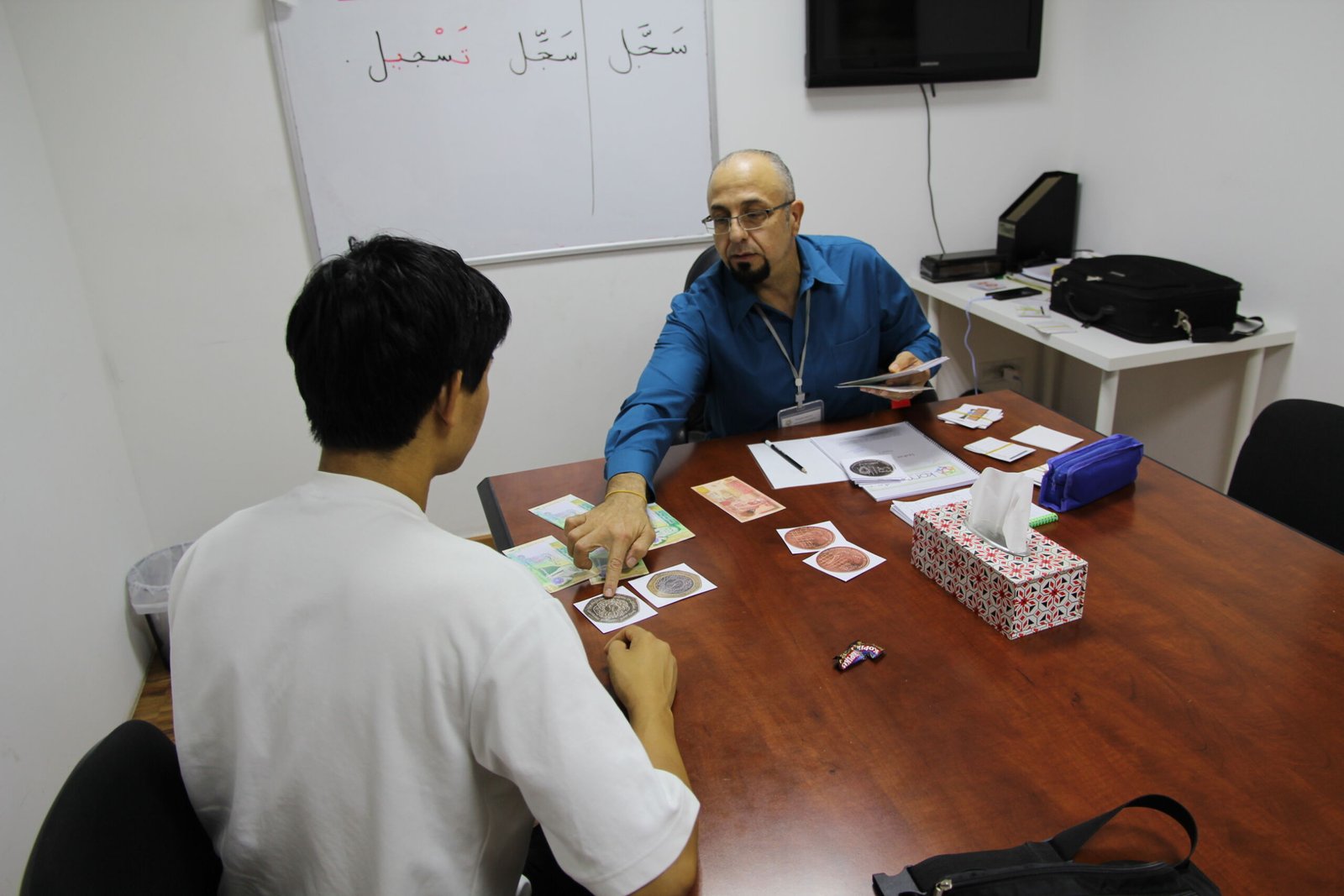
So, you’re looking for the best way to learn Arabic, and you’ve started tackling the letters and grammar. That’s great! But the biggest payoff from learning this language isn’t just knowing the verbs; it’s getting a secret window into an entirely different way of seeing the world.
Learning Arabic is about more than just translation. It’s about gaining cultural insights from learning Arabic itself. This experience goes far beyond what any tourist guide or history book can teach you.
The Power of Words: Connection and Respect
One of the first things people notice when they start learning Arabic is the incredible emphasis on greetings and hospitality. In English, “Hello” or “How are you?” is often a casual formality. In Arabic, it’s a deep invitation to connect.
The simple phrase Assalamu Alaykum (Peace be upon you) is used by millions every day. When you use this greeting, you’re not just saying hi; you’re offering peace, which is a big deal in any culture.
- You become an insider: When you try to speak even a few words of Arabic, people don’t just see a foreigner; they see someone who respects their culture. This immediately opens doors to friendlier conversations, better experiences, and genuine connections.
- The feeling of generosity: Arabic is rich with words that express thanks, welcome, and blessing (Yalla, Inshallah, Masha’Allah). Using these terms properly makes you sound natural and shows you understand the rhythm of daily life.
Arabic Words in Daily Life
You’ll quickly see that the language is woven into the fabric of everyday interactions. For example, when an Arab host offers you food, they might say Tafaddal (Please, help yourself). This simple word carries layers of generosity and insistence that English struggles to match. Learning to use these phrases correctly is learning to be polite and generous in an Arab context
Time, Future, and Community
Language shapes how we think about big concepts like time and destiny. Learning Arabic gives you simple examples of this every single day.
One of the most famous Arabic phrases is Inshallah (If God wills). People often misunderstand this as an excuse for not planning, but it’s much deeper than that. It’s a way of acknowledging that humans do their best, but the ultimate outcome is not entirely in their hands.
- A different view of the future: When someone says they will meet you tomorrow Inshallah, they are showing commitment while also being humble about life’s uncertainties. You won’t find this exact concept in many Western languages, and understanding it gives you a crucial insight into patience and outlook.
- The collective vs. the individual: In Arabic, many greetings and expressions often focus on the family or the community. Unlike in English where we often use “I” or “my,” Arabic culture often puts the group first. This is reflected in the language, subtly guiding you toward a more collective mindset.
Making the Experience Authentic
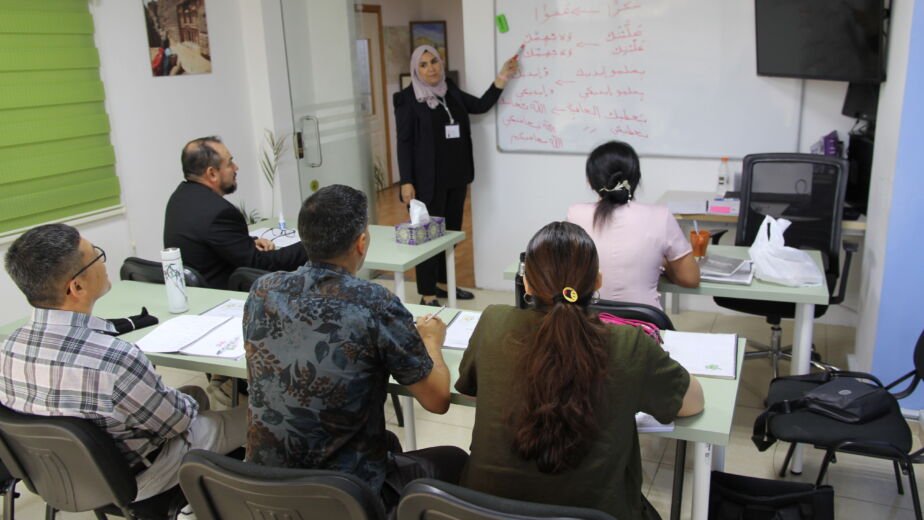
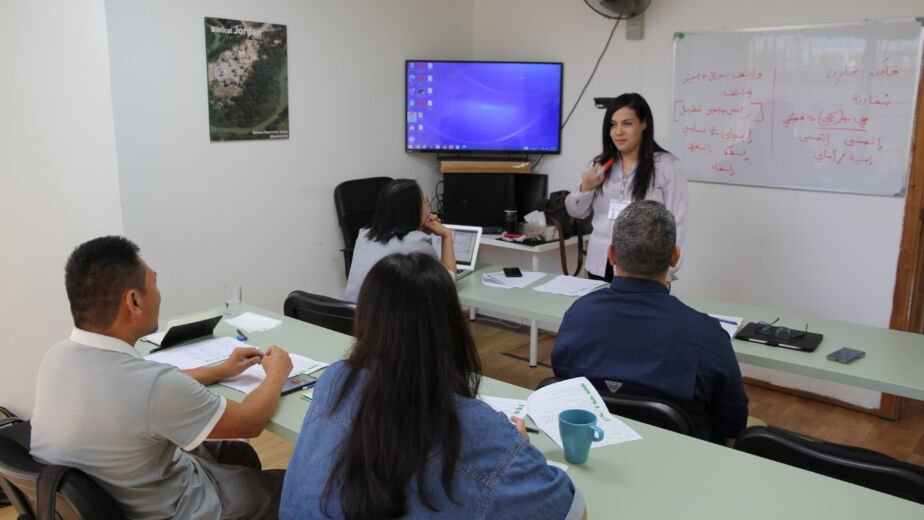
This deeper understanding is exactly why Komensky Center focuses on creating an inspiring and culturally authentic learning experience. We teach you not just what to say, but when and why to say it.
If you’ve ever wondered why learning Arabic is worth it, remember this: It’s not just about a job skill or a line on a resume. It’s about widening your world and replacing old stereotypes with genuine human understanding.
By tackling your Arabic for beginners lessons, you are gaining a passport to connect with people on their own terms. That connection is the most valuable and rewarding skill of all.
Are you ready to move beyond the vocabulary lists and start connecting with the real culture? Let me know if you would like to explore our introductory Arabic language course options.